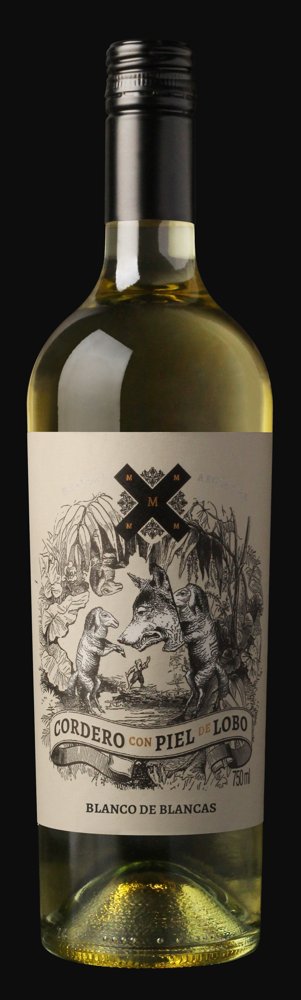
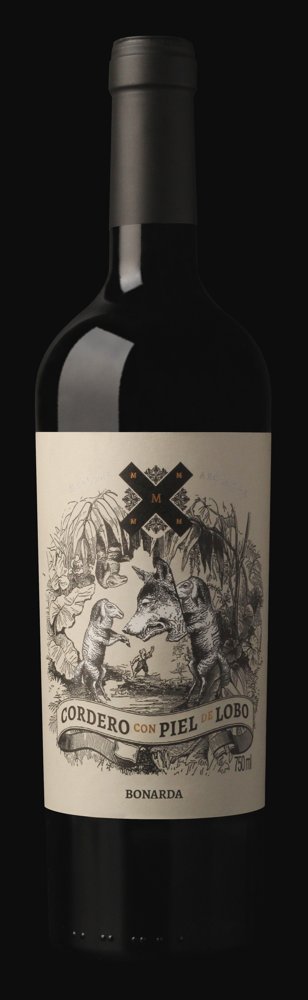
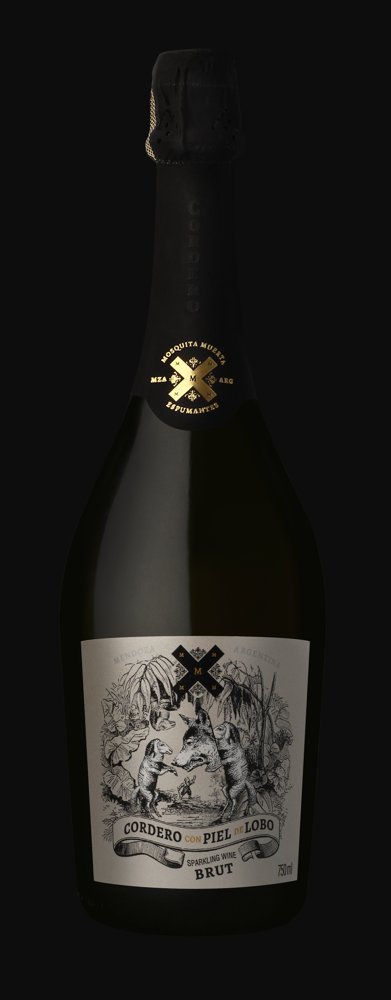
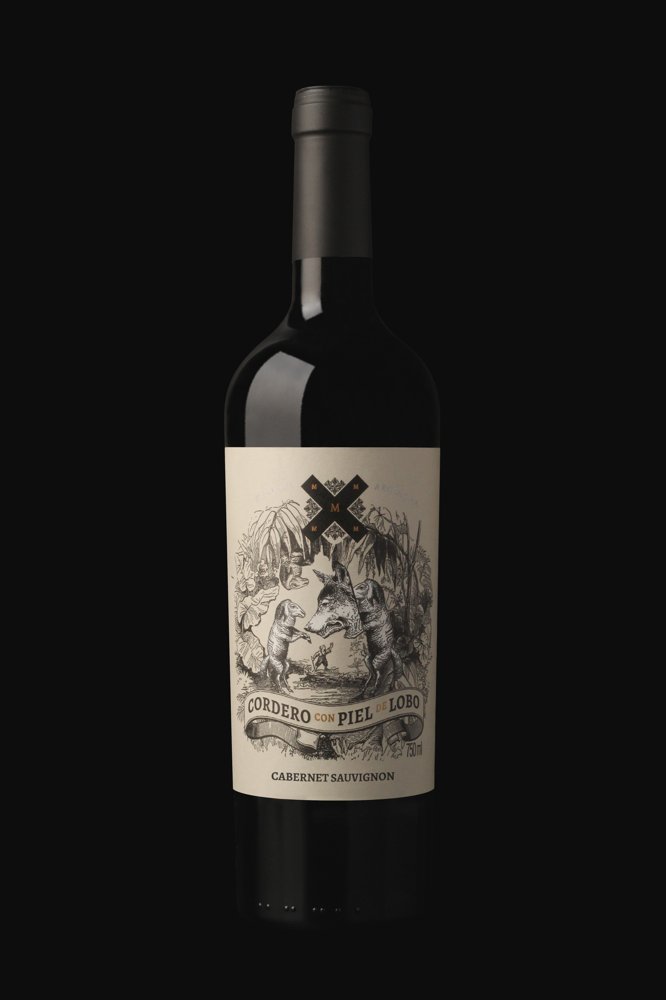
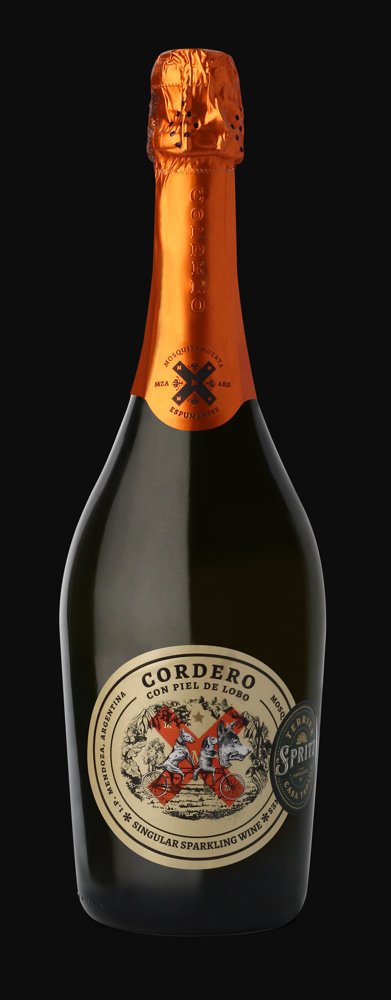
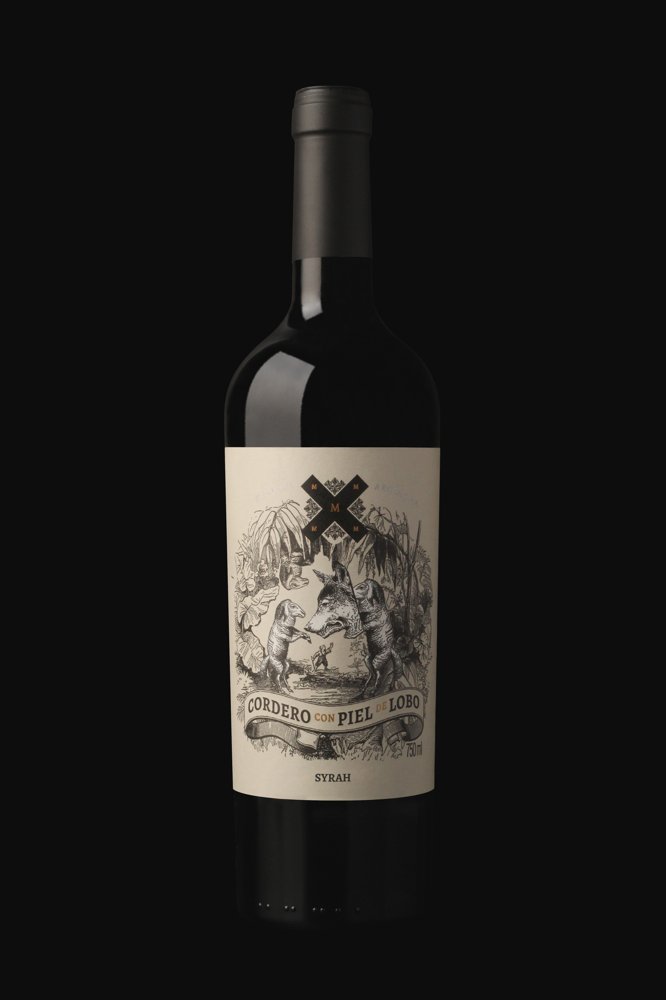
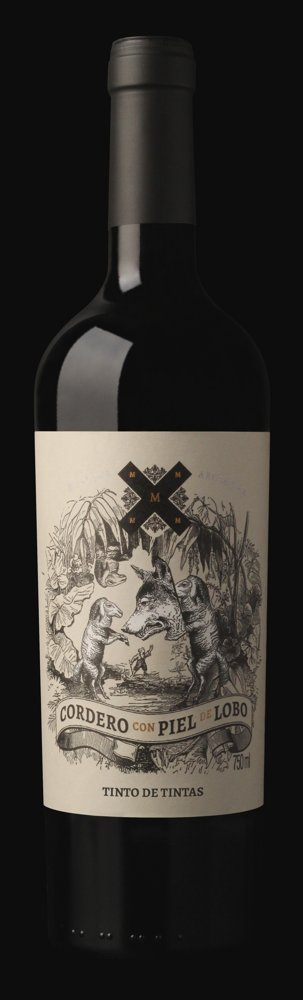
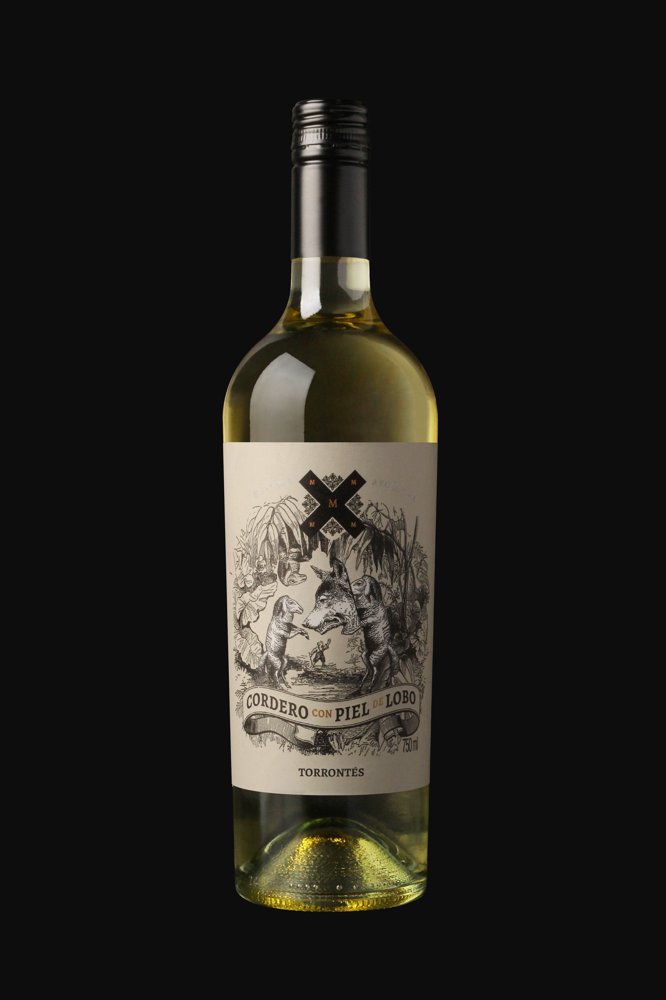
Not everything is what it seems — perception is our best ally. A lamb that leaves the flock to take the leading role; beware, irony is its finest virtue.
Cordero con Piel de Lobo
Blanco de Blancas
Cordero con Piel de Lobo
Bonarda
Cordero con Piel de Lobo
Brut
Cordero con Piel de Lobo
Cabernet Sauvignon
Cordero con Piel de Lobo
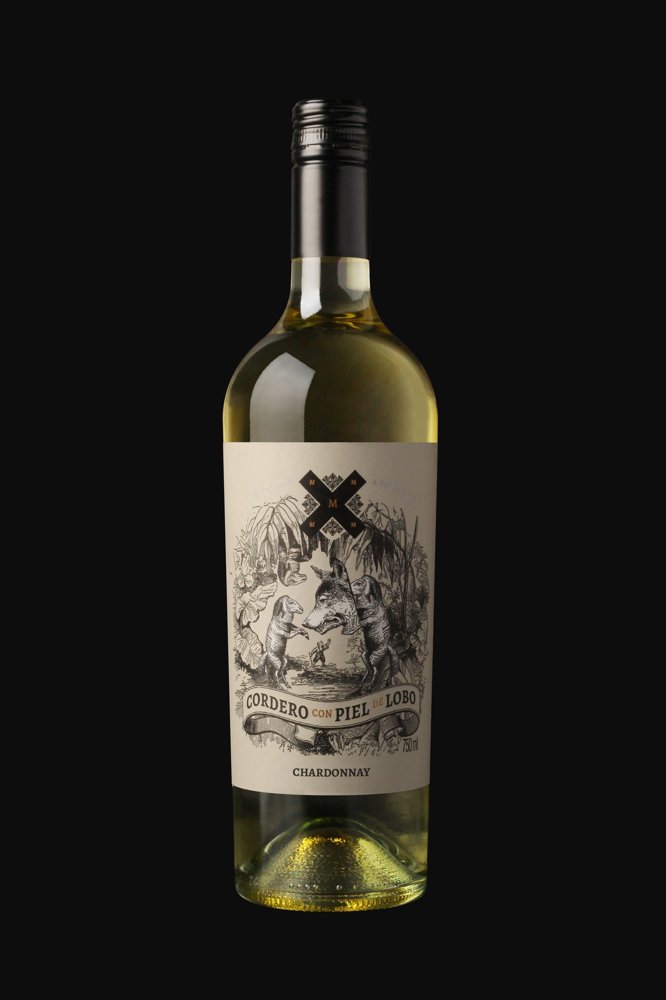
Chardonnay
Cordero con Piel de Lobo
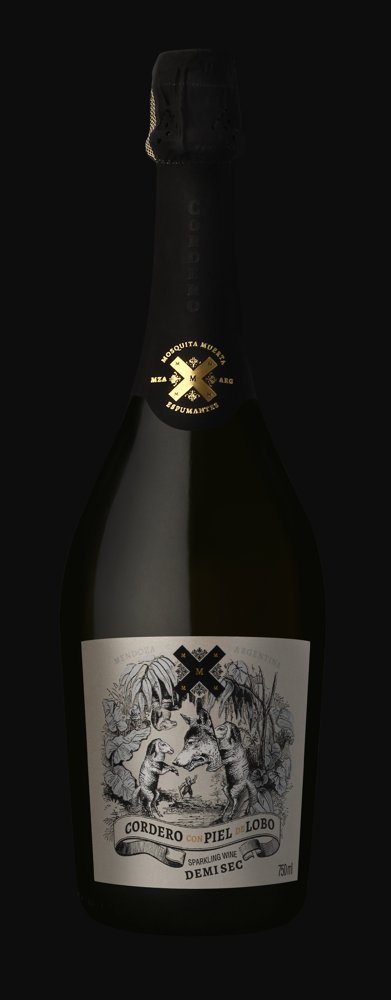
Demi Sec
Cordero con Piel de Lobo
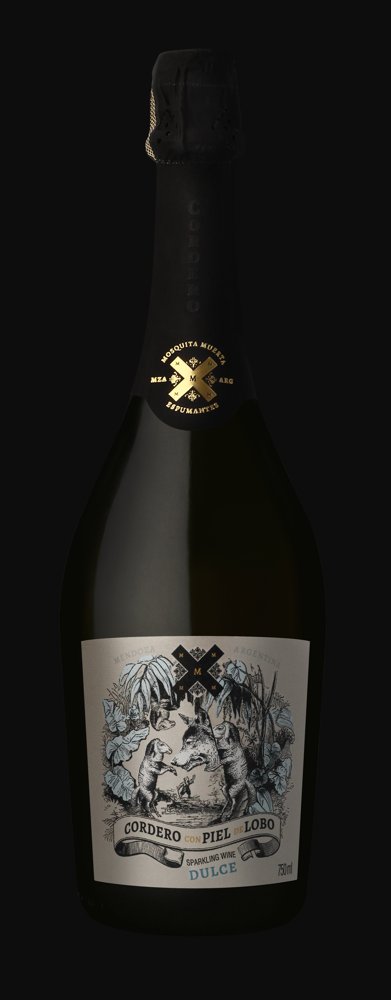
Dulce espumante
Cordero con Piel de Lobo
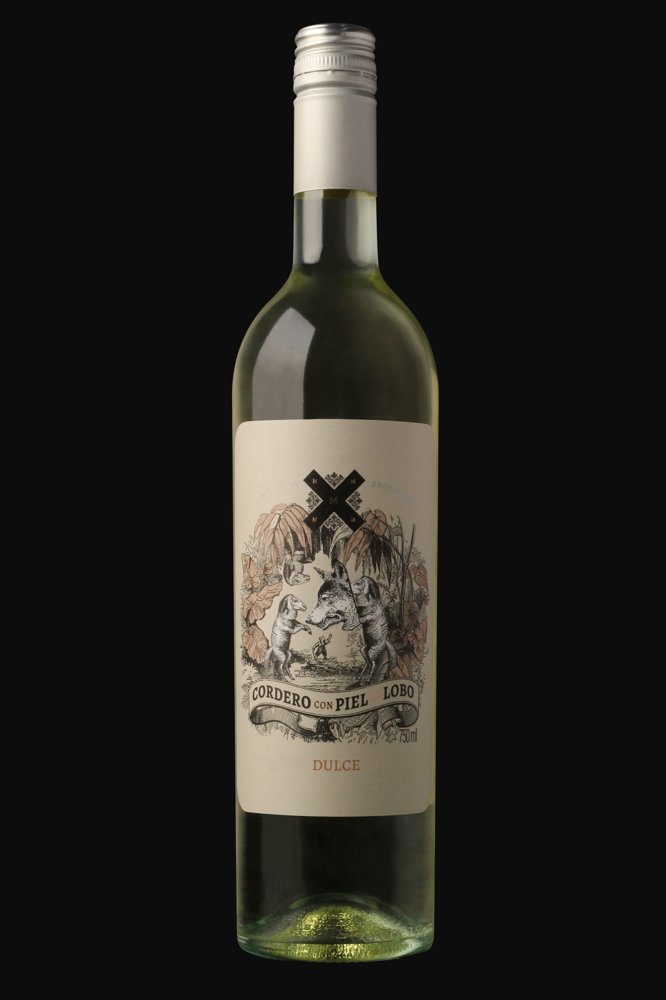
Dulce
Cordero con Piel de Lobo
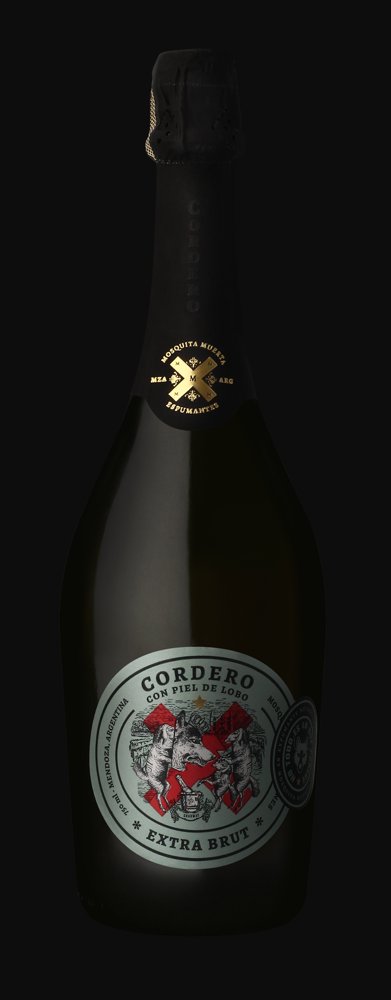
Extra brut
Cordero con Piel de Lobo
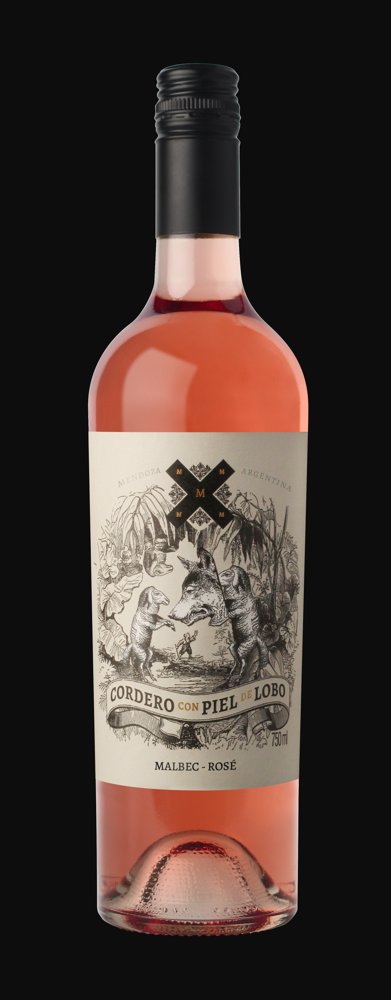
Malbec Rose
Cordero con Piel de Lobo
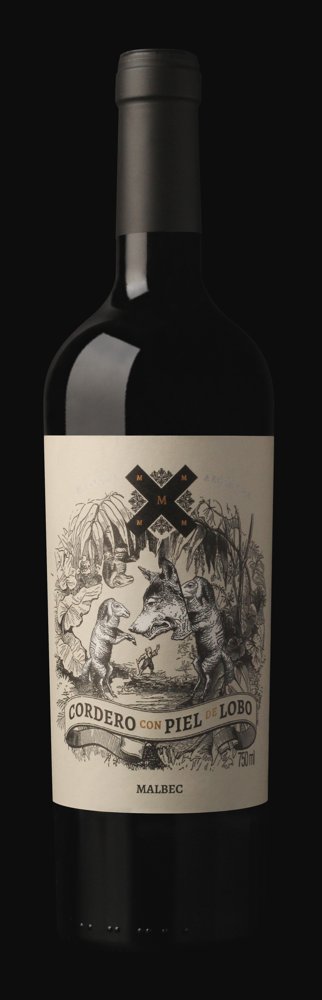
Malbec
Cordero con Piel de Lobo
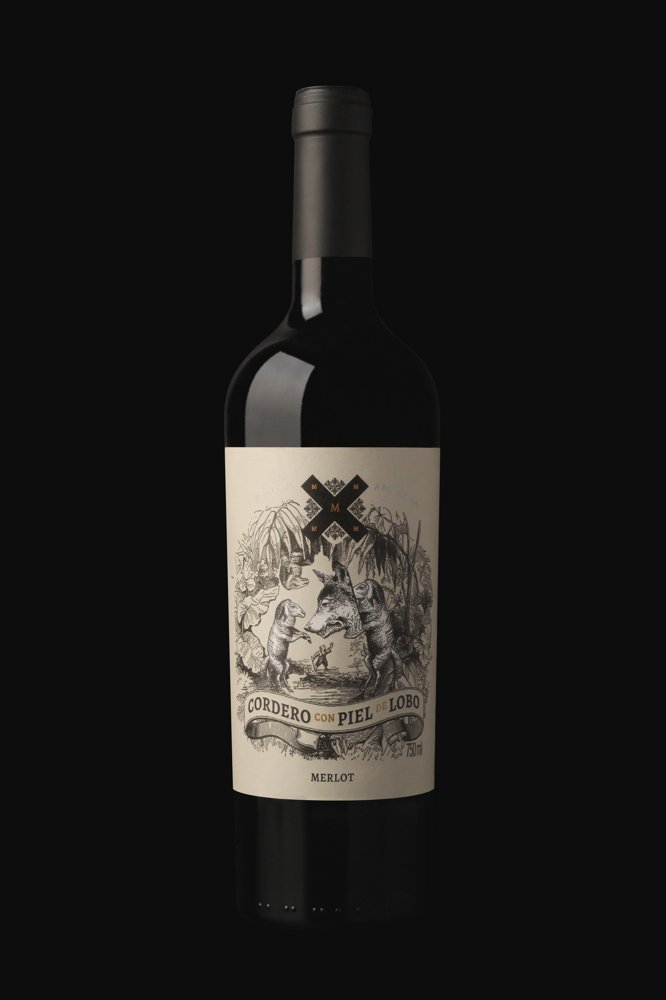
Merlot
Cordero con Piel de Lobo
Spritz
Cordero con Piel de Lobo
Syrah
Cordero con Piel de Lobo
Tinto de tintas
Cordero con Piel de Lobo
Torrontes
Cordero con Piel de Lobo
Blanco de Blancas
Varietals:
40% Torrontés, 30% Chardonnay, 30% Pedro Ximénez.
Zone:
Luján de Cuyo and Maipú – Mendoza.
Harvest:
Early harvest with selection at the estates. Grapes are harvested at different stages of ripeness, seeking to obtain wines with fresh, fruity, and subtle profiles.
Hand-harvested. Traditional production method in concrete vessels. Fermentation takes place at 25°C with moderate extraction techniques. These methods highlight the variety's aromas and achieve a seamless integration of flavors. It is a fresh, fruity, and medium-bodied wine. It features a ruby-red color, with aromas of red fruit jam and raisins; on the palate, it offers a smooth and elegant structure.
Charmat Method. The second fermentation takes place in tanks at low temperatures with selected yeasts to maintain the intensity of aromas and flavors.
Tasting Notes:
Light yellow color with greenish highlights, bright with persistent small bubbles. The nose presents aromas of pineapple and lime. On the palate, it is fresh with flavors reminiscent of green apple and peach.
Hand-harvested. Traditional production method in concrete vessels. Fermentation takes place at 25°C with moderate extraction techniques. These methods highlight the variety's aromas and achieve a seamless integration of flavors. It is a fresh, fruity, and medium-bodied wine, featuring an intense red color that recalls bell peppers and plums, offering a smooth yet great structure and a long finish.
Early harvest with selection at the estates. Grapes are harvested at different stages of ripeness, seeking to obtain wines with fresh, fruity, and subtle profiles.
Charmat Method. The second fermentation takes place in tanks at low temperatures with selected yeasts to maintain the intensity of aromas and flavors.
Tasting Notes:
Light yellow color with greenish highlights, bright with persistent small bubbles. The nose is intense and attractive, presenting aromas of white flowers, peach, and citrus touches. On the palate, it is fresh and slightly sweet, smooth and persistent.
Charmat Method. The second fermentation takes place in tanks at low temperatures with selected yeasts to maintain the intensity of aromas and flavors.
Tasting Notes:
Light yellow color with greenish highlights, bright with persistent small bubbles. The nose is intense and attractive, presenting aromas of white flowers, peach, and citrus touches. On the palate, it is sweet, and its freshness balances the flavors. It is smooth and persistent.
Early harvest with selection at the estates. Grapes are harvested at different stages of ripeness, seeking to obtain wines with fresh, fruity, and subtle profiles.
Charmat Method. The second fermentation takes place in tanks at low temperatures with selected yeasts to maintain the intensity of aromas and flavors.
Tasting Notes:
Light yellow color with greenish highlights, bright with persistent small bubbles. The nose presents aromas of pineapple and lime. On the palate, it is fresh with flavors reminiscent of green apple and peach.
Early harvest with selection at the estates. Grapes are harvested at different stages of ripeness, seeking to obtain wines with fresh, fruity, and subtle profiles.
Hand-harvested. Traditional production method in concrete vessels. Fermentation takes place at 25°C with moderate extraction techniques. These methods highlight the variety's aromas and achieve a seamless integration of flavors. It is a fresh, fruity, and versatile wine, intense and bursting with fruit, featuring a balanced acidity and a medium body on the palate.
Hand-harvested. Traditional production method in concrete vessels. Fermentation takes place at 25°C with moderate extraction techniques. These methods highlight the variety's aromas and achieve a seamless integration of flavors. It is a fresh, fruity, and medium-bodied wine. Featuring a red color with aromas of herbs, spices, and red fruits, it is smooth and persistent on the palate.
Soft salmon color, bright, with persistent small bubbles. The nose presents fruity aromas, spiced notes where juniper predominates, and a floral touch. On the palate, it is flavorful and slightly sweet, in a perfect combination with its freshness and a characteristic bitter touch typical of a Spritz.
Hand-harvested. Traditional production method in concrete vessels. Fermentation takes place at 25°C with moderate extraction techniques. These methods highlight the variety's aromas and achieve a seamless integration of flavors. It is a fresh, fruity, and medium-bodied wine. It features an intense dark red color, with aromas of cherry and black spices; on the palate, it is intense, presenting a subtle spiciness.
Early harvest in stages with selection in the vineyard, this wine is fermented at low temperatures in concrete vessels using native yeasts and a gentle extraction to preserve its varietal character, with 30% of the volume maturing in French oak for 4 to 6 months. Red in color with violet flashes, it stands out for its intense nose of fresh plum, cherry, and red fruits, offering a smooth palate with medium structure and balanced acidity.
Early harvest with selection at the estates. Grapes are harvested at different stages of ripeness, seeking to obtain wines with fresh, fruity, and subtle profiles.